Best Budget Launch Monitor: Under $500 to $2,000
The best budget launch monitor is the Garmin R10 at $499.99. The real picks from $500 to $2,000, and how radar vs photometric decides which fits your room.
The best budget launch monitor for most home simulators is the Garmin R10 at $499.99. It reads carry distance within about 5 yards, catches real swing flaws, and fits any bay. Step up only when you want something specific: the Rapsodo MLM2PRO ($699.99) adds cameras and impact video, the FlightScope Mevo+ ($1,099) adds data and a bigger app, and the SkyTrak+ ($1,995) is the photometric unit that anchors a serious sub-$2,000 build. Under $500 is where you prove you’ll use a simulator. Under $2,000 is where you build one you’ll keep.
| Unit | Price | Tech | Best for |
|---|---|---|---|
| Garmin R10 | $499.99 | Radar | The default: most data per dollar, fits any room |
| Rapsodo MLM2PRO | $699.99 | Dual camera + radar | Impact video and shot data on your phone |
| FlightScope Mevo+ | $1,099 | Radar | More data points, larger practice-app ecosystem |
| SkyTrak+ | $1,995 | Photometric | Anchoring a real build; needs less room behind you |
What “budget” means for a launch monitor
Budget here means under about $2,000. Above that you’re into the Bushnell Launch Pro, the Foresight GC3, and Trackman, which is a different conversation about a different budget. Inside the sub-$2,000 field, the split that actually matters isn’t price, it’s how the unit tracks the ball: radar or photometric. That choice affects your data, your room, and which unit is even right for your space. More on that below, but if your bay is tight, read the room dimensions guide first, because it can make the decision for you.
The default pick: Garmin R10 ($499.99)
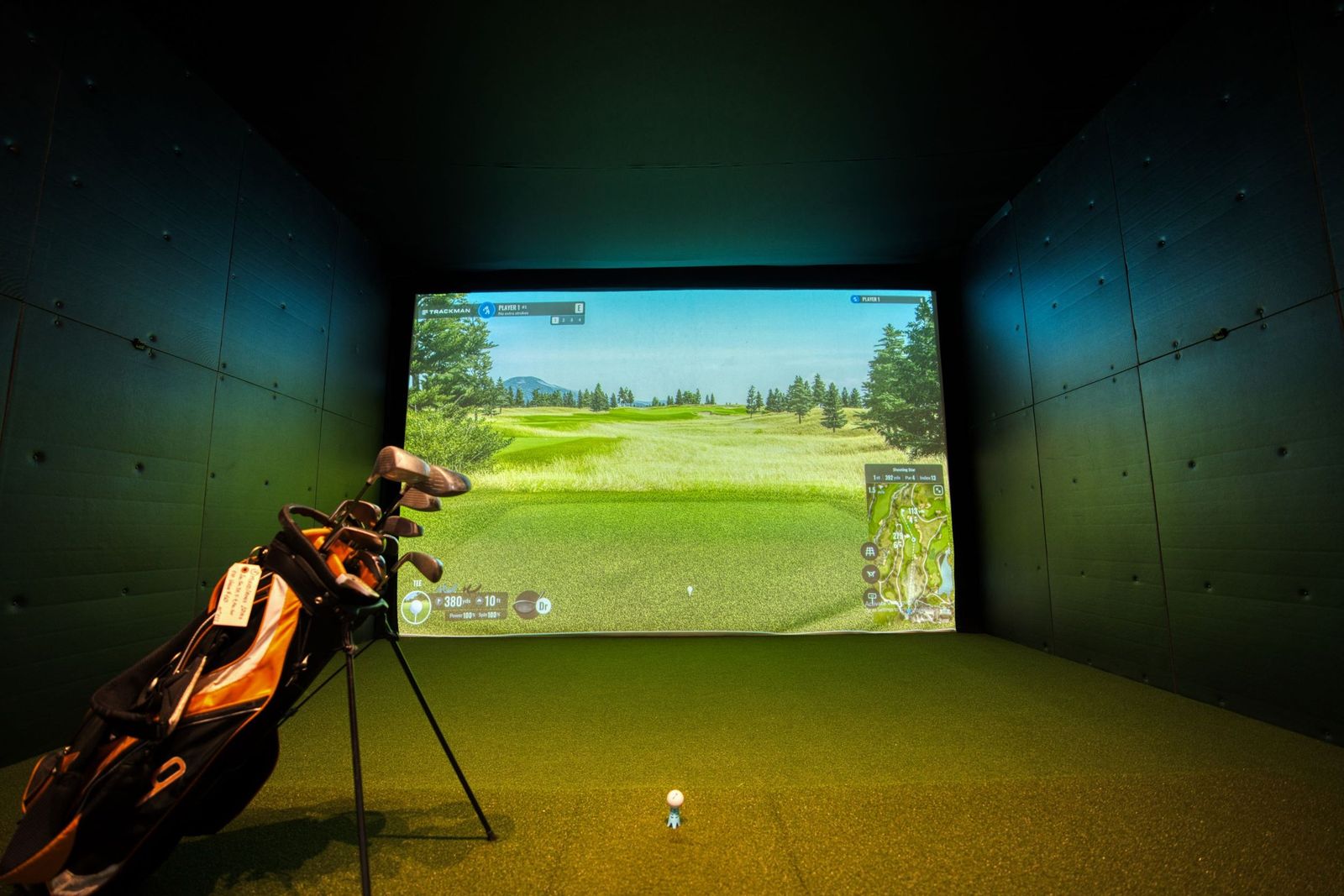
The Garmin R10 is the one to buy first. It’s a puck-sized radar unit that reads carry within about 5 yards and captures the club and ball data you need to catch a slice, a thin strike, or a swing that’s losing speed. Its weak spot is spin, which gets more variable indoors and can swing your shot shape by 10 to 15 yards without the optional RCT balls. But for $499.99, no unit gives you more usable feedback, and none makes it cheaper to answer the only question that matters at the start: will real launch data actually change how you practice?
Step up for cameras: Rapsodo MLM2PRO ($699.99)
If you want to see the strike, not just the numbers, the Rapsodo MLM2PRO at $699.99 pairs a radar with dual cameras and records impact video to your phone. It’s the pick for a golfer who learns from watching the club meet the ball as much as from the data table. For roughly $200 more than the R10, the video is the reason to choose it.

More data: FlightScope Mevo+ ($1,099)
The FlightScope Mevo+ at $1,099 is the mid-budget radar step. It reports more data parameters than the R10 and plugs into a larger ecosystem of practice and simulation apps. If you’ve outgrown the R10’s data set but aren’t ready to jump to a photometric unit, this is the middle ground.
The serious anchor: SkyTrak+ ($1,995)
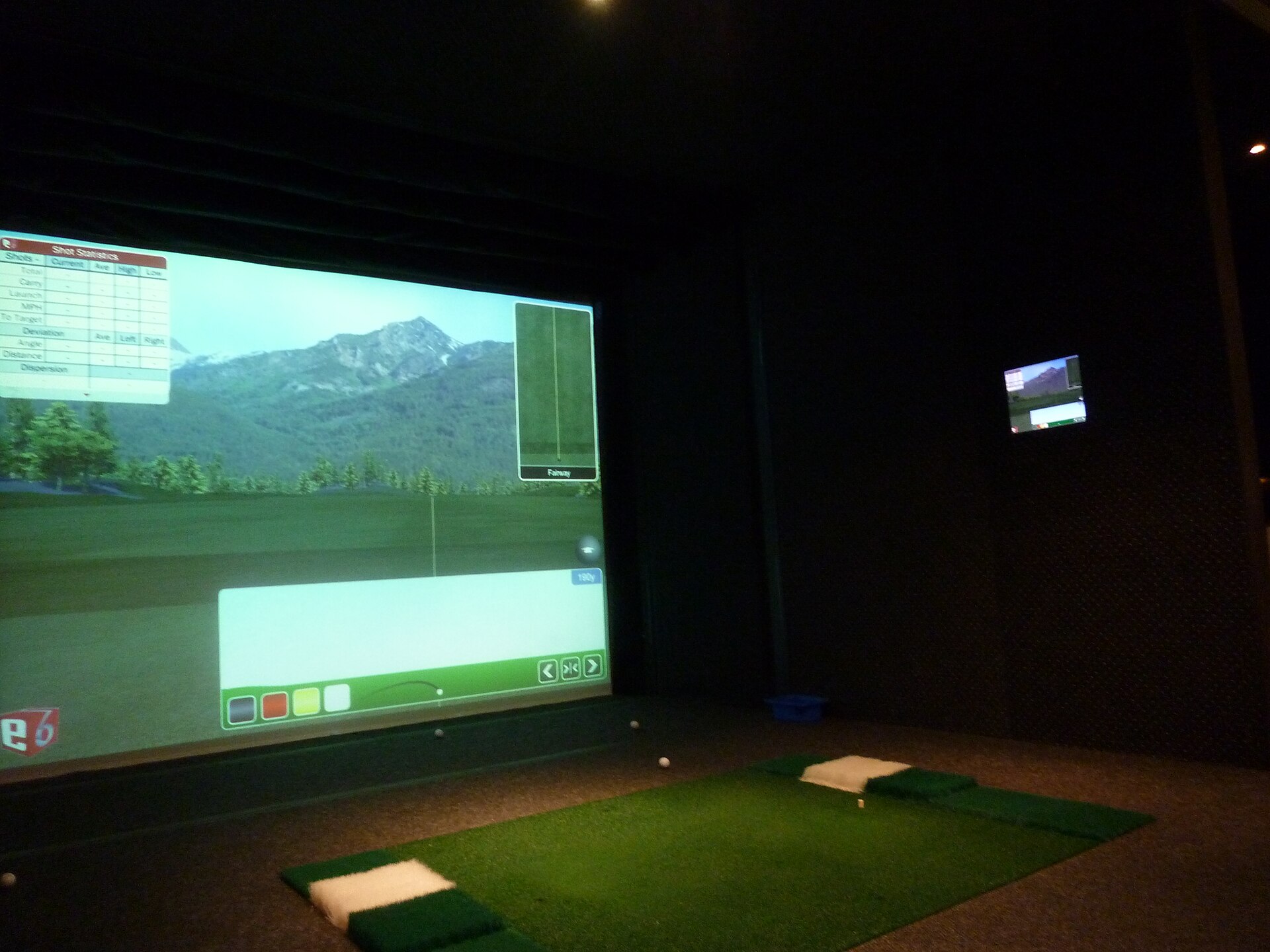
The SkyTrak+ at $1,995 is the photometric unit that anchors a real $5,000 build. Because it reads the ball at impact from the side rather than tracking flight from behind, it delivers consistent indoor numbers and, crucially, needs less room behind you than a radar unit. If you’re building a full enclosure rather than testing the concept, this is where the budget field tops out and the “keep it for years” builds begin.
Radar or photometric: which fits your room?
This is the decision hiding behind the price tags. Radar units, the R10 and Mevo+, sit behind the ball and read the shot as it flies, so they want more depth behind the hitting position. Photometric units, the SkyTrak+, sit beside the ball and read it at the moment of impact, so they fit a shorter room. The Rapsodo splits the difference with both a radar and cameras. If your space is generous, any of them works and you choose on features and budget. If it’s tight, your room depth may quietly pick the unit for you.
How accurate is accurate enough?
You don’t need a Trackman to fix your slice. Every unit here catches real, correctable swing flaws, and the R10’s roughly 5-yard carry tolerance is plenty for practice that actually improves your game. The place budget units wobble is spin, which drives shot shape and gets jumpy indoors; on units that support them, RCT balls tighten it up. Chase tour-grade precision only when you’ve outgrown catching flaws and want to fine-tune gapping. For most golfers, that day never comes.
See all the tracking types side by side on the launch monitor comparison, and once you’ve picked one, our cost configurator will build the rest of the bay around it.