How Much Does a Golf Simulator Cost? Full Breakdown
A home golf simulator costs about $1,000 to $32,000, set mostly by the launch monitor. The real all-in numbers at every tier, and what each buys.
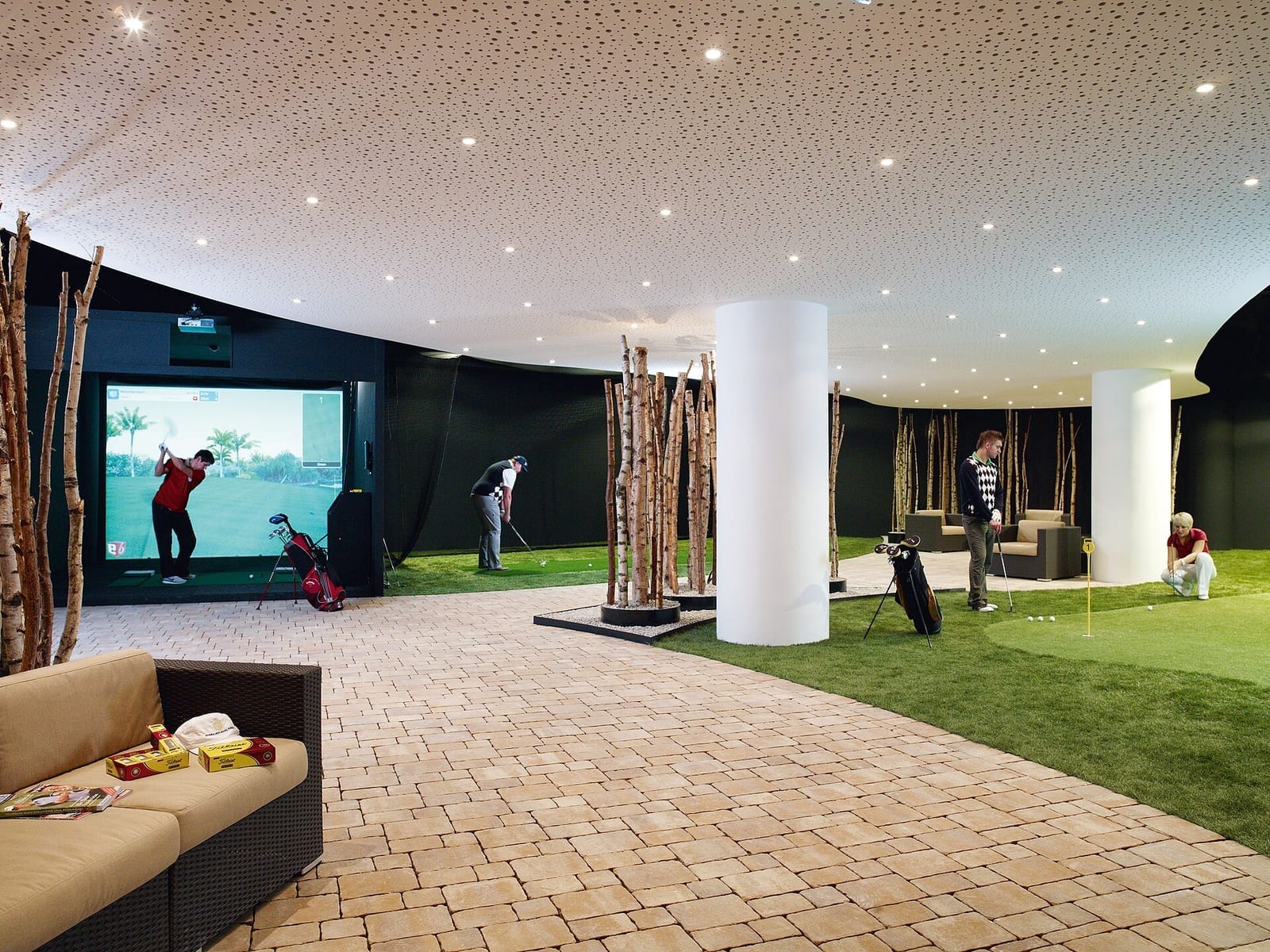
A home golf simulator costs anywhere from about $1,000 to $32,000, and the number is set mostly by one part: the launch monitor. A bare launch-monitor-and-net setup runs $1,000 to $2,000. A full enclosure build with a projected screen lands around $5,900 to $7,300. A premium room with tour-grade tracking runs $15,000 to $32,000, and commercial bays start near $45,000. Here’s the thing most cost guides bury: when you step up a tier, you’re usually not buying a better launch monitor. You’re buying everything wrapped around it.
| Tier | All-in cost | What you get | Launch monitor |
|---|---|---|---|
| Trial build | $1,000 to $2,000 | Launch monitor, mat, net, your own laptop. No enclosure or projector. | Garmin R10 |
| Full enclosure | $5,900 to $7,300 | DIY enclosure, projected screen, mat, budget gaming PC | SkyTrak+ |
| Finished room | ~$10,000 | Aluminum enclosure, 4K projector, durable mat, stronger PC | Bushnell Launch Pro |
| Premium | $15,500 to $32,000 | Everything above, plus tour-grade tracking | Foresight GC3 or Trackman iO |
| Commercial | $45,000+ per bay | Multi-bay, commercial-grade throughout | Foresight or Trackman |
The launch monitor is the anchor decision
The launch monitor is almost always the biggest single line item, and it gates what the rest of the build can be. But the relationship is not what people expect. Between the $2,000 and $5,000 tiers, the monitor itself barely moves: a Garmin R10 to a SkyTrak+ is roughly a $2,500 spread. What actually changes is everything around it, from open air to a real enclosure, from a tablet propped on the mat to a projected screen, from a borrowed laptop to a PC built for full rounds.
So the honest way to read a simulator budget is to pick the launch monitor that gives you data you trust, then let the tier decide how finished the room around it gets. Start with the launch monitor comparison if you’re still choosing.
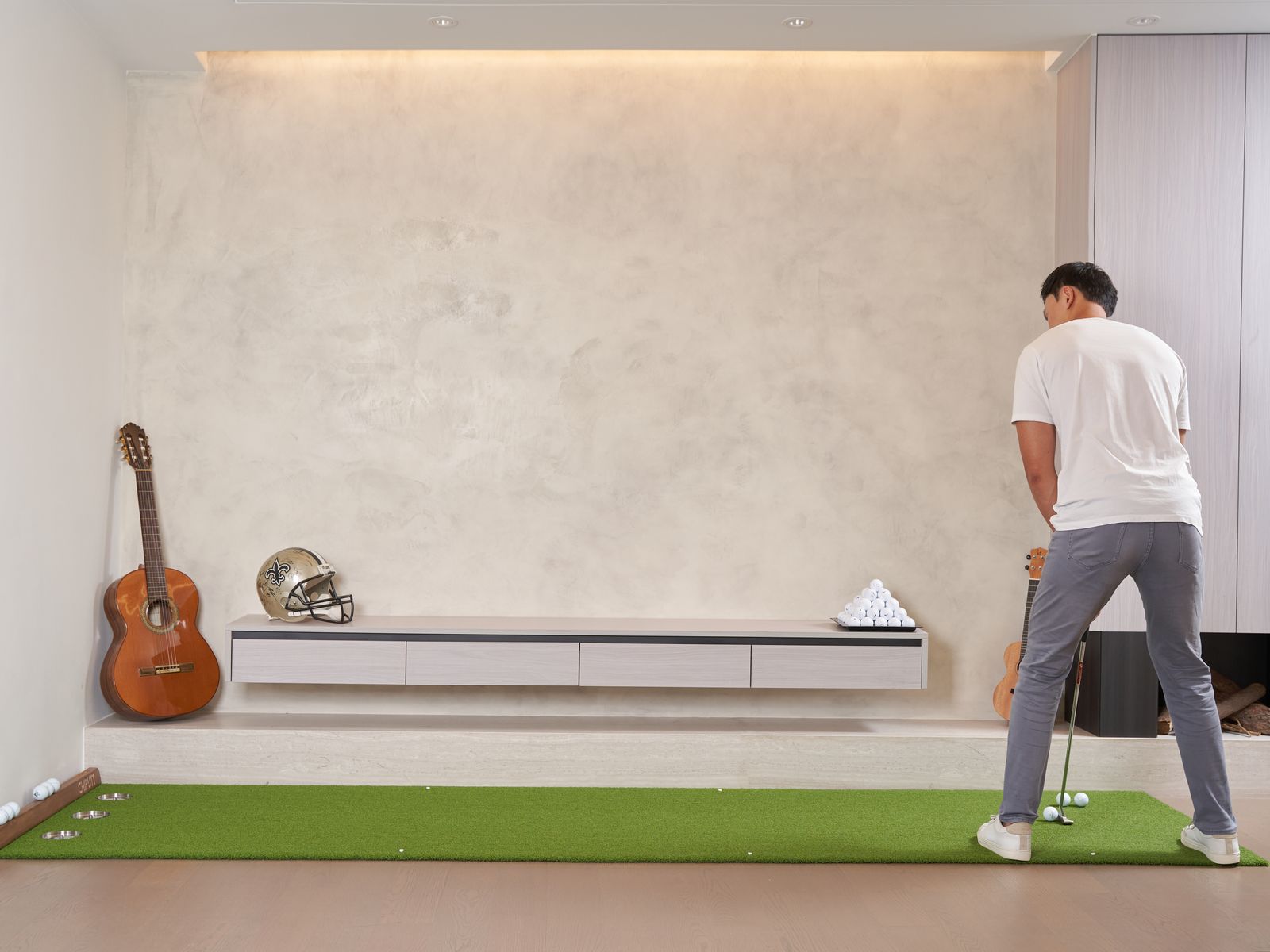
The $1,000 to $2,000 trial build
This is the floor: a launch monitor, a mat, and a net, running on a laptop you already own. No enclosure, no projector, no dedicated PC. The under-$2,000 build leans on a Garmin R10 at $499.99, which reads carry within about 5 yards and catches real swing flaws. Skipping the enclosure here is deliberate, not a shortfall. Spend roughly $1,000 to $2,000 to find out whether real launch data changes your practice, before you commit five figures to the room around it.
The $5,000 full build
This is where a bay starts feeling like an actual simulator. The $5,000 build pairs a SkyTrak+ ($1,995) with a Carl’s Place DIY enclosure ($1,650), a 1080p short-throw projector, a mat, and a budget gaming PC. Reviewers report the DIY enclosure assembles solo in about an hour. All-in it runs $5,900 to $7,300, and it buys the thing the trial tier can’t: projected course play and full simulated rounds.
The $10,000 finished room
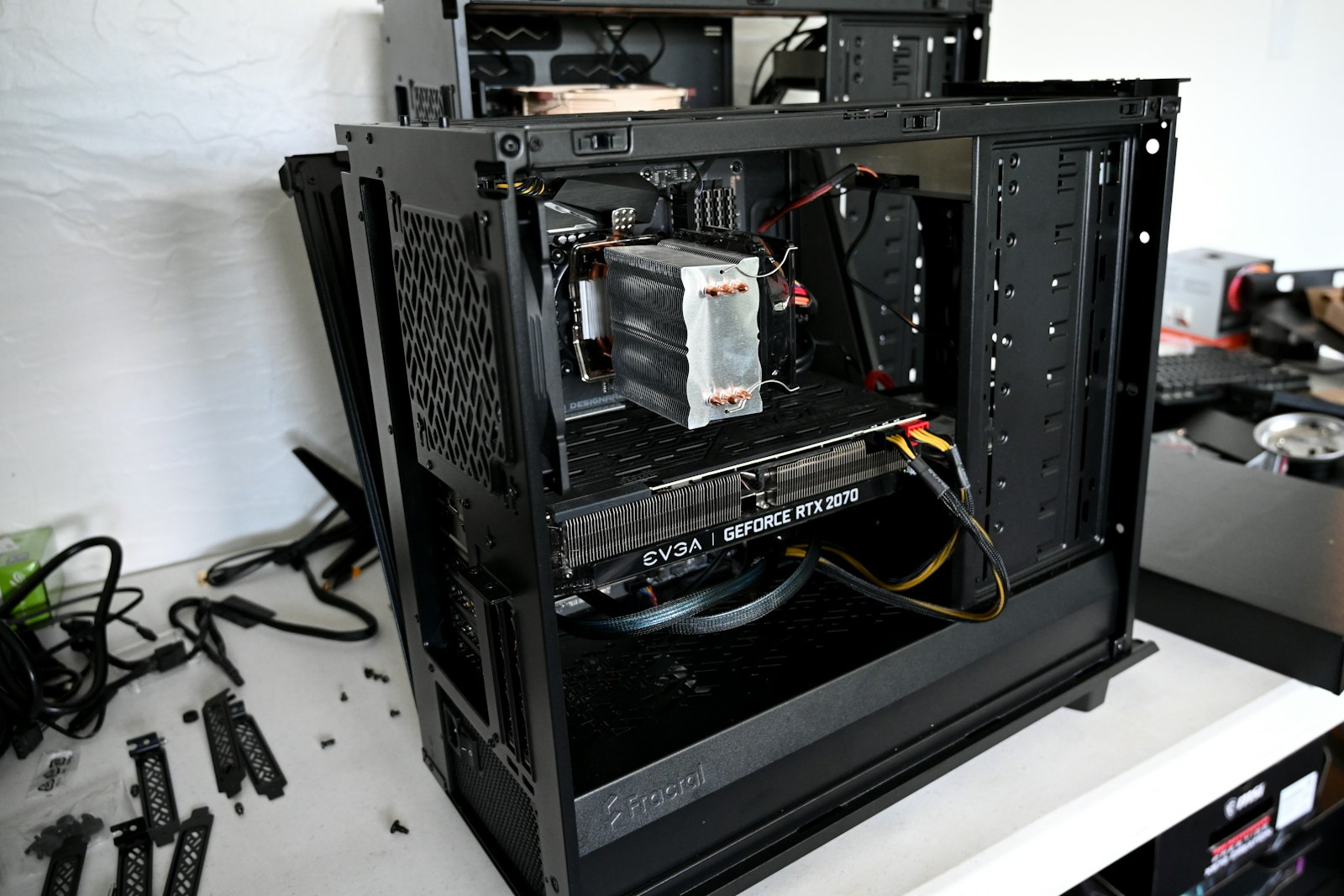
At $10,000 the launch monitor still doesn’t jump much: the Bushnell Launch Pro anchors the build at $2,499.99, close to what the $5,000 tier spends on a SkyTrak+. The catch is that the Launch Pro runs the same tri-camera hardware as the $6,999 Foresight GC3, and independent testing found the two agree on carry distance within 1 to 2 yards on 94% of shots. So the extra $5,000 over the previous tier doesn’t buy better numbers. It buys a powder-coated aluminum SIG8 enclosure ($1,799.99, screen included), a 4K projector, a mat rated for 150,000 shots, and a PC that drives 4K visuals smoothly. This tier is finish and longevity, not accuracy.
Premium and beyond: $15,000 to $32,000
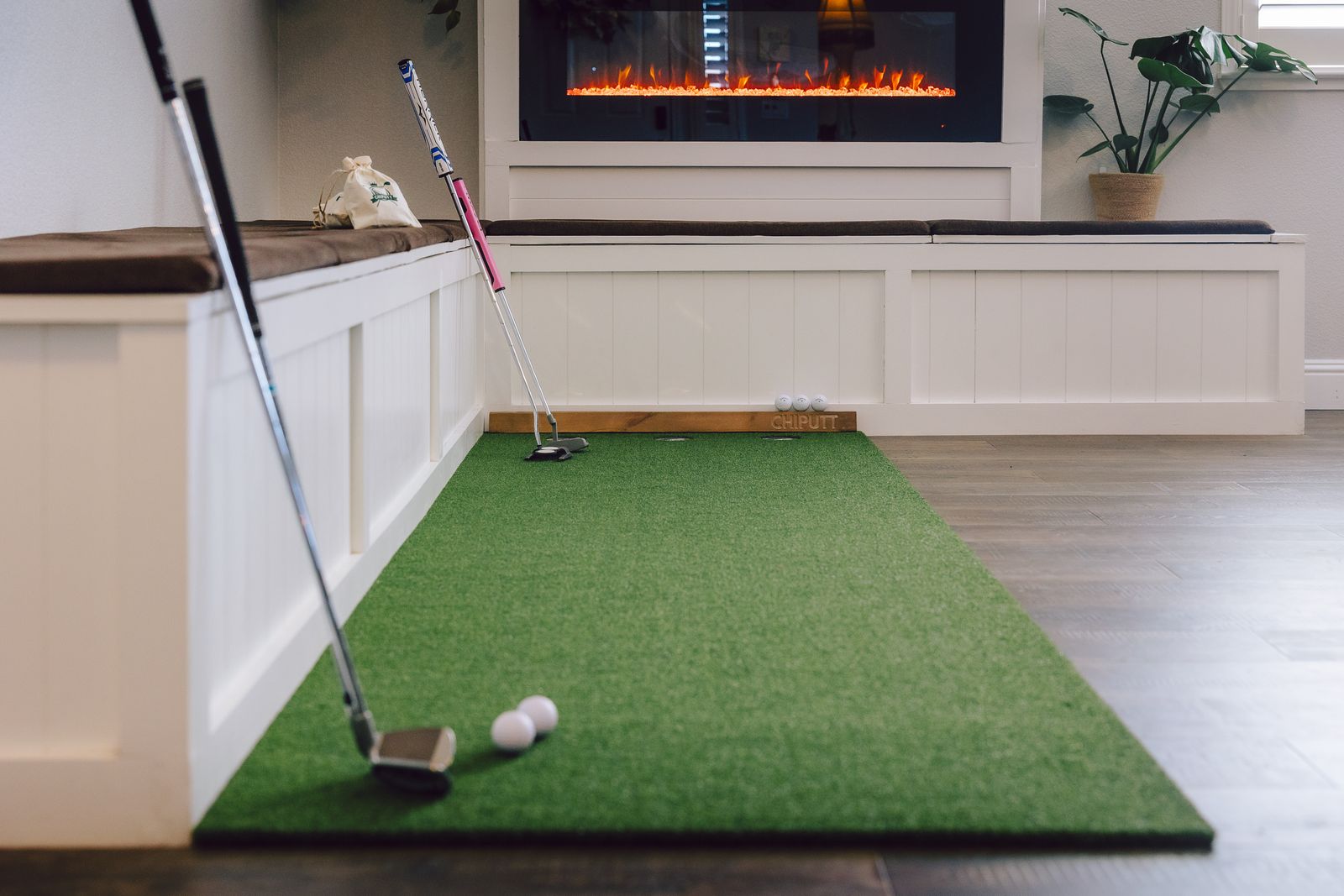
The premium tier splits on one decision, Foresight GC3 or Trackman iO, and that single choice swings the total by roughly $16,000. Everything else, the enclosure, screen, mat, projector, and PC, stays constant with the $10,000 build. A GC3 path lands around $15,500; a Trackman iO path runs $25,000 to $32,000, which aligns with Trackman’s own published $25,000 to $35,000 range for a complete home build. Above that, commercial bays start near $45,000 each once you add multi-bay, commercial-grade everything.
The ongoing costs people forget
The build price is not the whole bill. Most simulator software is a subscription: GSPro runs $250 a year, and premium launch monitors add their own, from the Launch Pro’s $199 to $499 a year to Trackman’s roughly $1,100 a year on renewal. Then there’s electricity for the projector and PC, the occasional replacement mat or impact screen, and, if your monitor supports them, RCT balls for accurate indoor spin. None of it is huge, but budget for it so year two doesn’t surprise you.
Is a golf simulator worth it?
That depends entirely on how much you’d actually use it, which is exactly why the trial tier exists. Run the math on your own play: at $60 a round, a $5,000 build pays for itself in about 80 rounds, and it keeps going after that, in any weather, at any hour. If you’ll hit it a few times a week, the payback is real. If it’ll gather dust next to the treadmill, no tier is worth it. Start cheap, prove you’ll use it, then build the room. Our cost configurator will price your exact parts once you know which tier fits.