Hitting net · priced July 2, 2026
Golf Hitting Net Cost: $100-$300, No Enclosure
A standalone hitting net runs $100-$300 and is the cheapest way to pair a launch monitor with real full-swing practice before committing to an enclosure.
- $100-$300 depending on size and frame quality
- No enclosure or impact screen required
- Portable, foldable for garage storage between sessions
- Pairs with any radar or camera launch monitor
Via Amazon. As an Amazon Associate and affiliate partner, CaddieBay earns from qualifying purchases.

The cheapest possible path to real launch-monitor feedback skips the enclosure and projector entirely. A standalone hitting net, $100-$300 depending on size and frame quality, paired with a mat and a radar unit like the Garmin R10, delivers accurate ball-flight data without the visual course-play experience a full bay provides. Put those three pieces together and you’re well under $1,000 total, with practice value for swing feedback that’s no different from a full enclosure build. What you’re giving up is the projected course, not the numbers.
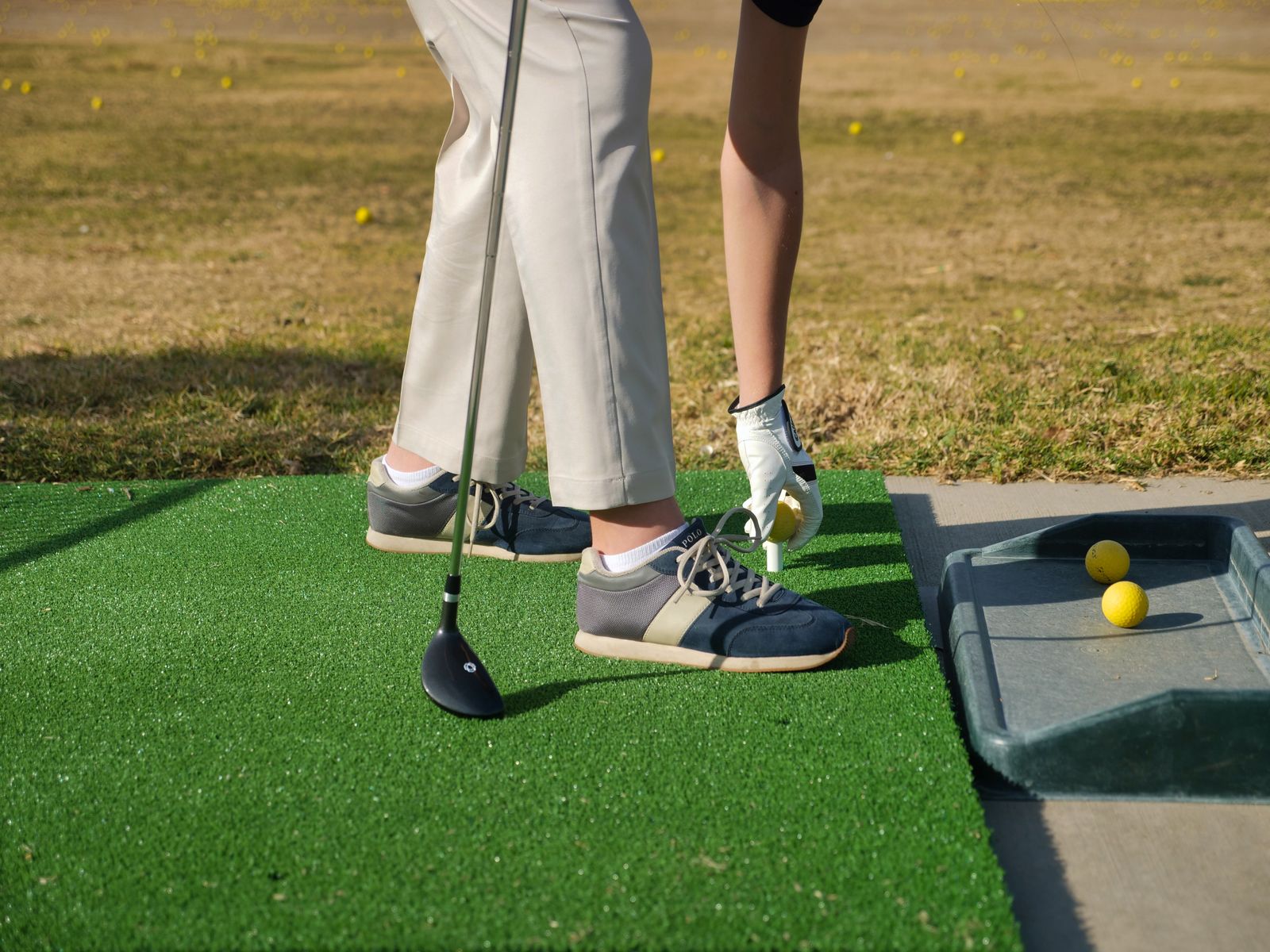
This is the right starting point for anyone unsure whether a full simulator build is worth the investment. Get real numbers on your swing first; add the enclosure, screen, and projector later once you know the launch monitor itself earns its keep.
What the net itself needs to handle
Frame quality is where the $100-$300 range actually splits. A cheap frame flexes and drifts forward with repeated full-driver impact, which over time shortens the safe distance between you and the net. A sturdier frame at the top of the range holds its position through hundreds of sessions, which matters more than the mesh weave itself for anyone hitting full shots rather than just chipping.
Two materials show up repeatedly at this budget, and they’re not interchangeable. Steel-tubing frames, the kind used across Rukket’s SPDR Steel line and The Net Return’s Home series, resist the forward drift a lighter fiberglass-pole frame develops after a season of full swings. The netting itself is usually UHMWPE, ultra-high-molecular-weight polyethylene, the same polymer family used in ballistic vests and parachute cord, chosen because it absorbs impact energy without stretching permanently out of shape. A frame built from both, steel tubing plus UHMWPE mesh, is the combination worth checking for by name rather than trusting a generic product photo.
Anchoring is the detail that trips up first-time buyers. A full driver swing generates enough forward force to walk a lightweight net forward across a garage floor over a session or two if it isn’t weighted down. Outdoor setups use ground stakes driven at an angle through the base legs; indoor setups on concrete or a garage floor need sandbags instead, typically sold separately, 8-10 pounds each, draped over the front and back legs of the frame. Budget that as a real add-on cost, not an afterthought, since skipping it is exactly how a net ends up a foot closer to the hitter with every session.
Sizing: what to actually check before buying
Net dimensions vary more than the price tag suggests, and the number that matters most is height and width relative to your actual swing, not the net’s total footprint. A workable minimum is roughly 7 feet tall by 8 feet wide, enough margin that an off-center strike doesn’t sail past the frame. The Net Return Home, a common reference point in this category, ships at 7’x7’x3’6”, which gives a sense of scale for what “budget but adequate” looks like against premium framing. Anyone with a genuinely low garage ceiling should measure clearance above the net’s top rail, not just above the swing itself, since a net that’s technically tall enough can still crowd a low ceiling once it’s staked or weighted into position.
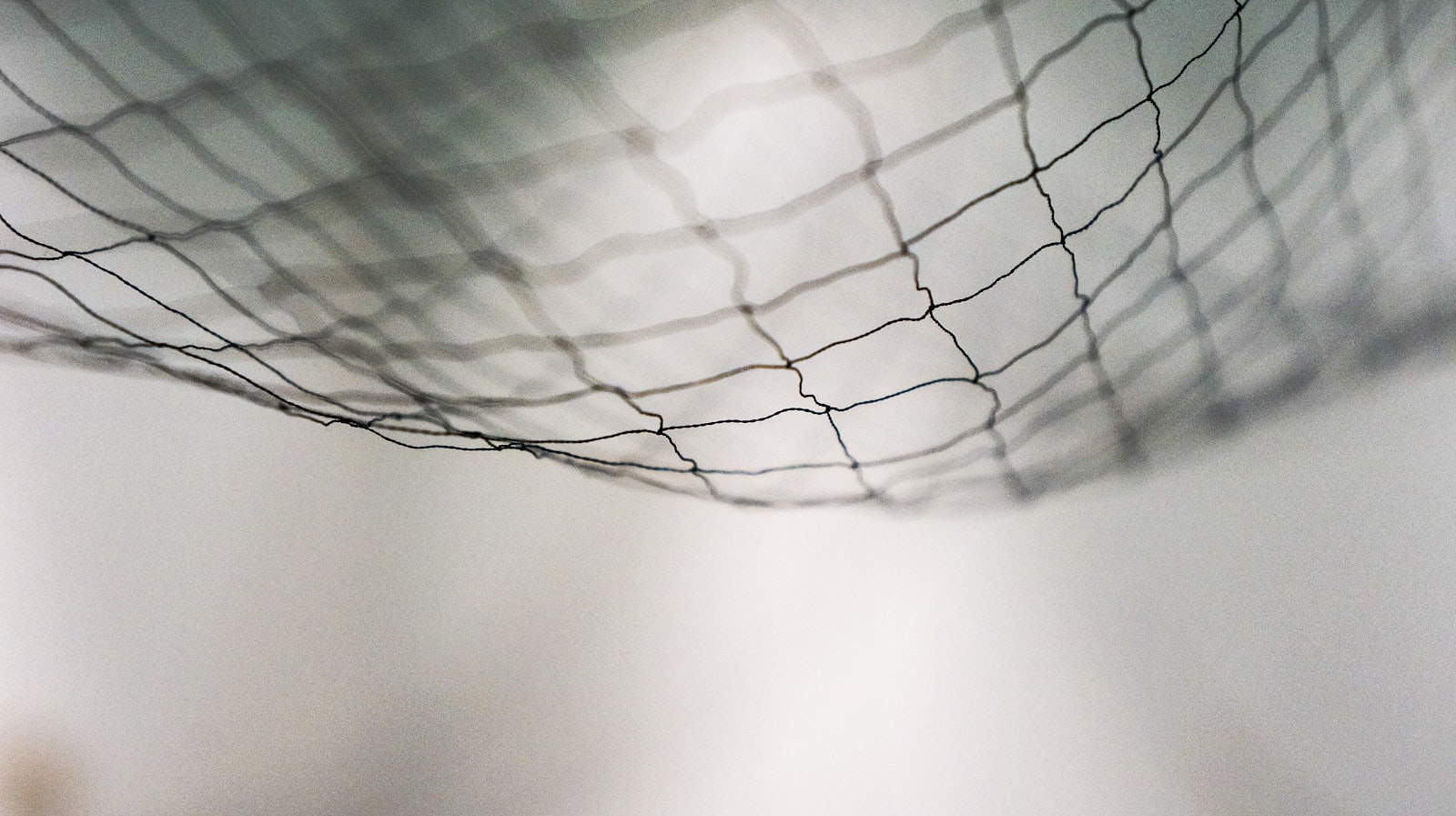
A net-only setup is also where limited-flight practice golf balls earn their keep. They fly at roughly half the distance and speed of a real ball, which matters if the net is a few feet from drywall, a window, or a parked car in a single-car garage.

Portability matters more than it sounds
Most budget nets fold down for storage between sessions, which is the whole reason a garage or single-car bay can host one without giving up the space permanently. That portability is also what makes this tier a genuine trial run rather than a commitment: if the launch-monitor data doesn’t earn its keep, the net folds away and the garage goes back to being a garage.

What a net-only setup genuinely isn’t
Worth being explicit about this rather than letting it stay implied: a hitting net is not a scaled-down golf simulator, it’s a ball-stopping backstop that happens to be the cheapest one available. It catches the ball. It doesn’t display anything. There’s no image projected onto it, no course rendered on its surface, because a net has no fabric surface built to hold a picture in the first place. That’s the actual distinction between this component and an impact screen, which is a different product built from taut, tensioned fabric specifically engineered to both stop the ball and display a projected image cleanly.
If the goal is to see your shot data on a phone or tablet next to the mat, a net does that job completely and does it for a third of what an impact-screen setup costs. If the goal is walking up to a wall-sized projected fairway and hitting into it, a net was never going to deliver that regardless of frame quality or netting material, and no amount of spending within this component category changes it. That upgrade path runs through a budget impact screen at $150-300 or a premium dual-layer screen well north of that, not through a better net.