PC · priced July 12, 2026
Golf Simulator PC Cost: RTX 4070 Build, ~$2,500
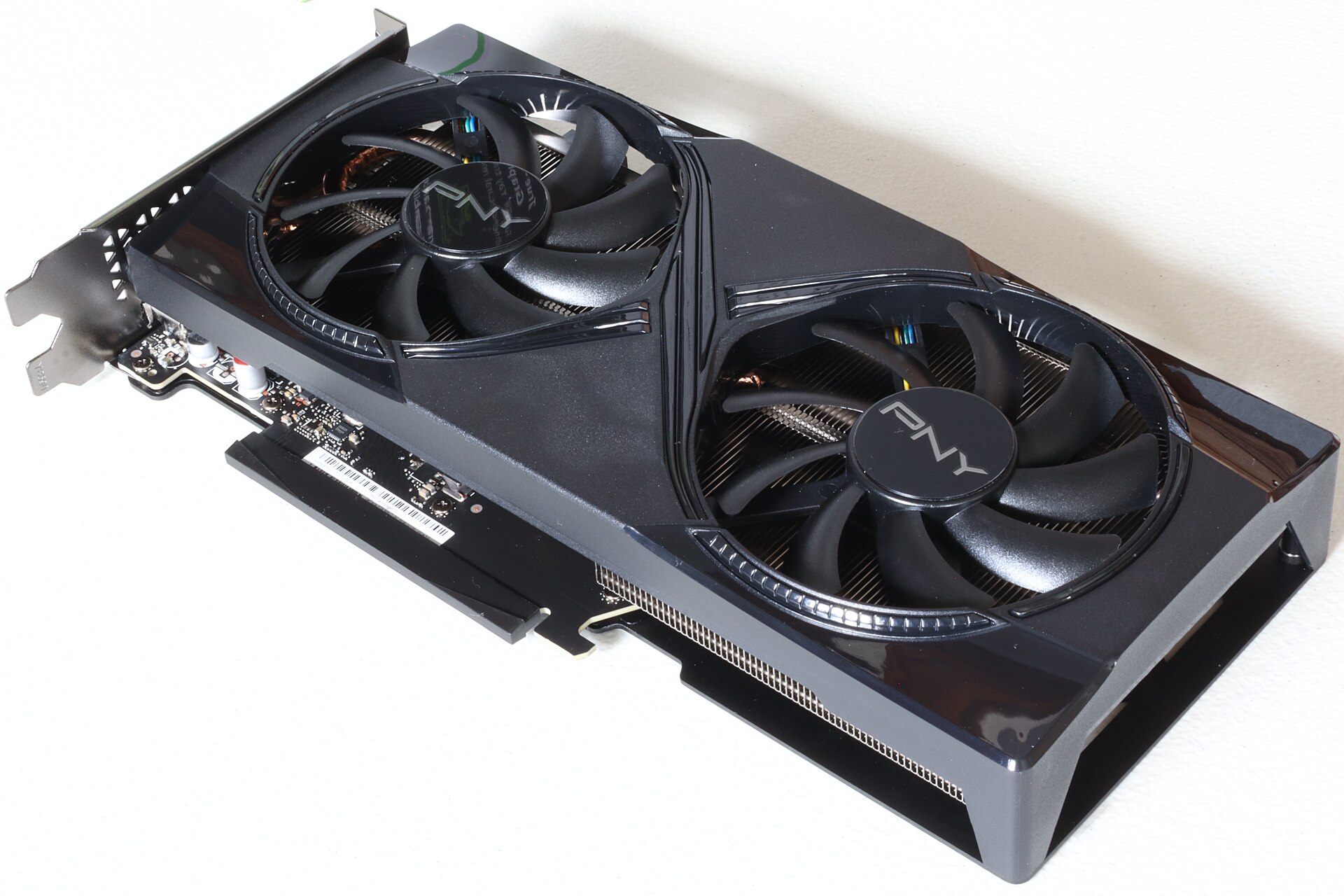
4K Ultra at 60fps wants an RTX 4070 or better and 32GB RAM. Pre-built options from Origin PC and SurfThing start around $2,200-$2,519.
- RTX 4070 (community sweet spot) or RTX 4070 Super/RTX 3080 minimum for 4K Ultra
- RTX 4070: 5,888 CUDA cores, 12GB GDDR6/6X, 200W TDP
- 32GB RAM standard for launch-monitor app + sim software concurrently
- 1TB+ NVMe SSD (2TB recommended)
- Pre-built option (Origin PC-class): ~$2,519
Via Amazon. As an Amazon Associate and affiliate partner, CaddieBay earns from qualifying purchases.
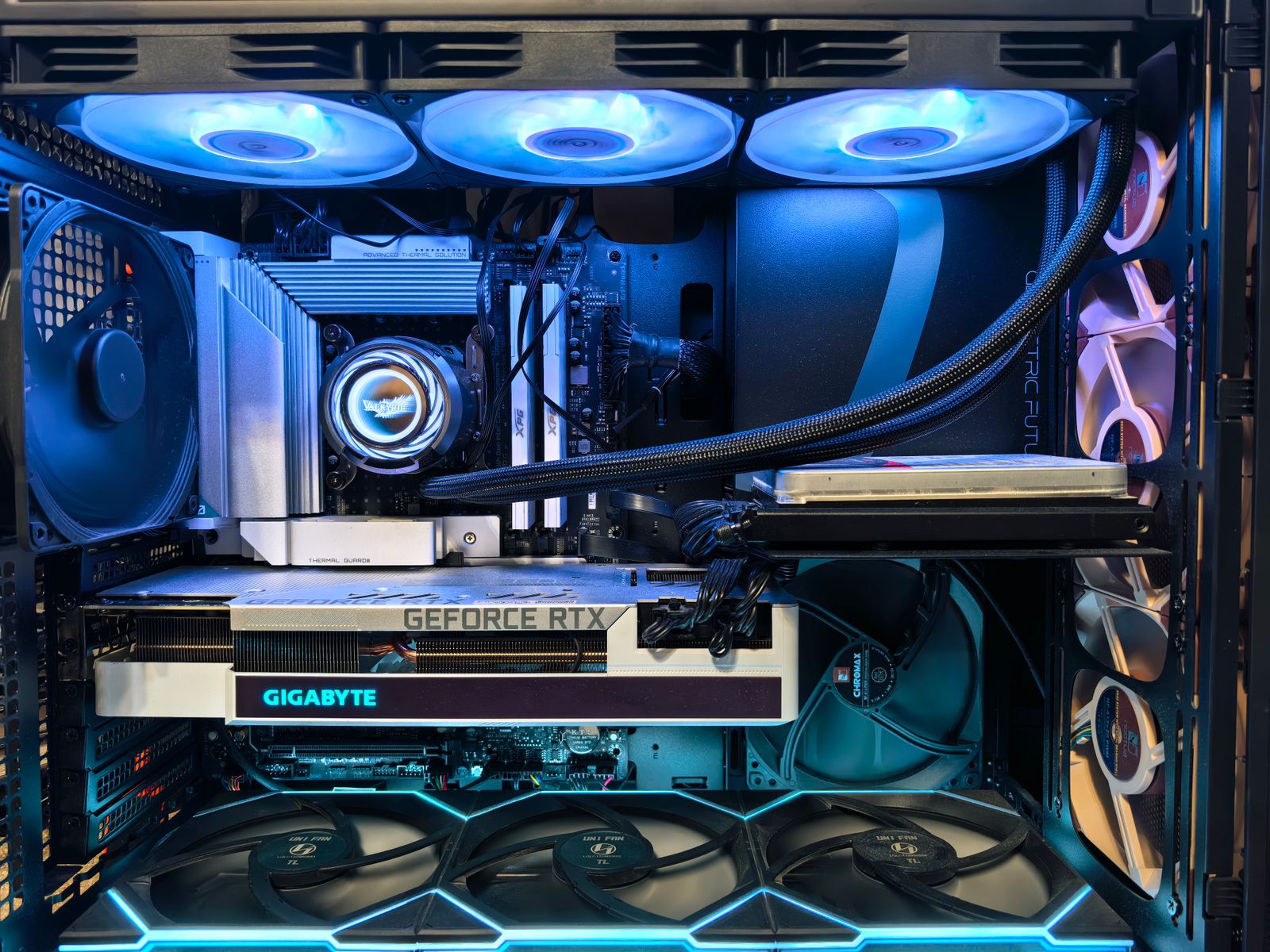
Once a build targets 4K Ultra visuals at a stable 60fps, the GPU tier jumps to an RTX 4070, the documented community sweet spot, with the RTX 3080 as the practical minimum. Pair it with 32GB RAM, which becomes the practical standard once you’re running a launch-monitor companion app alongside the simulation software, or adding swing-camera software on top.
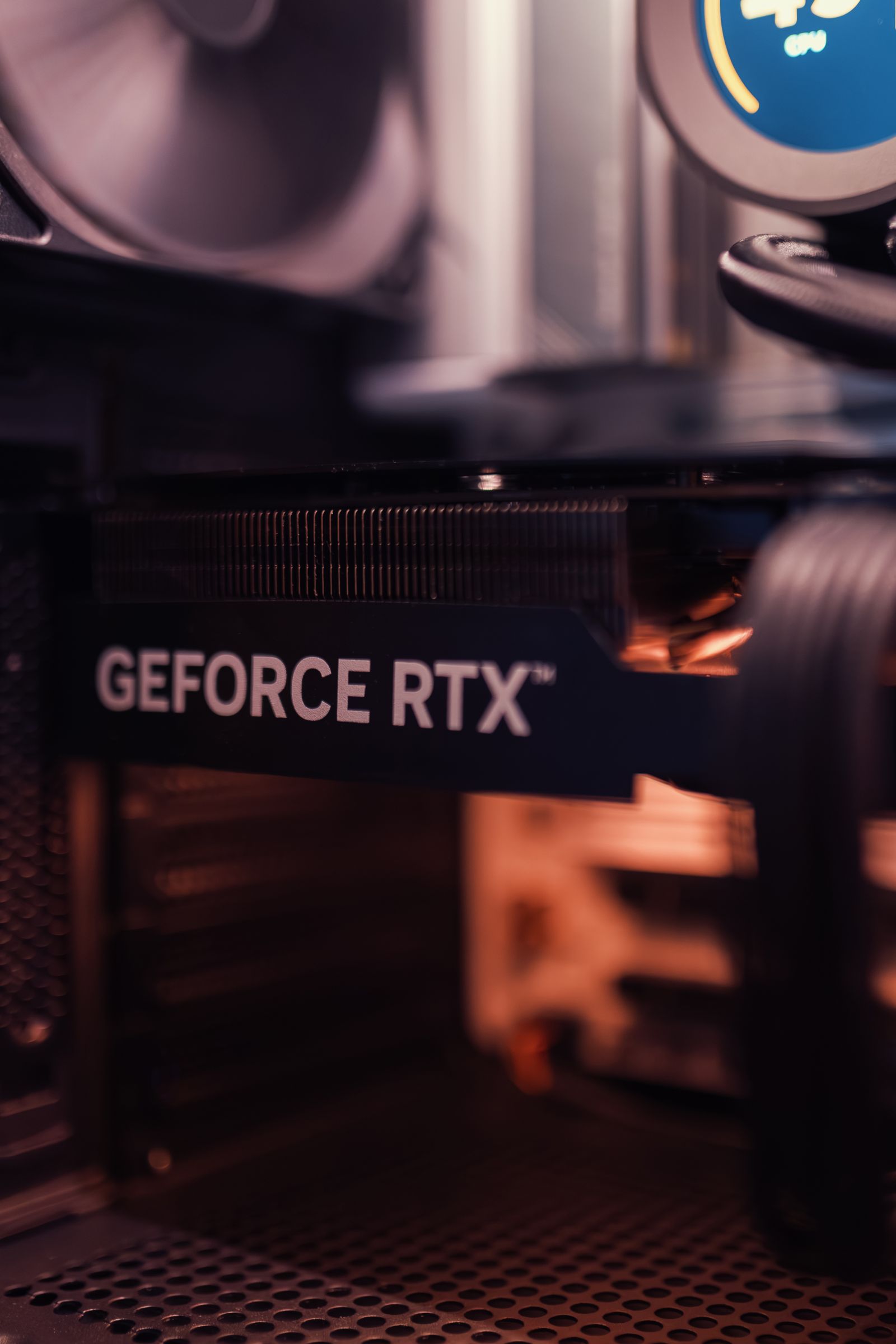
On the spec sheet, the base RTX 4070 carries 5,888 CUDA cores, 12GB of GDDR6/GDDR6X memory on a 192-bit bus, a 2.48GHz boost clock, and a 200W TDP against a 650W recommended PSU. Real-world GSPro testing backs up the “sweet spot” label: at 4K, the RTX 4070 puts a build in a comfortable spot for a smooth experience across most courses, though heavier layouts sometimes mean dialing settings back a notch from full Ultra to hold 45-60fps rather than pegging 60fps everywhere. That’s a meaningfully different result from the RTX 4060 one tier down, which independent GSPro benchmarking clocks at roughly 30fps on Ultra at 4K, passable but visibly rougher, and a world away from the effortless 60fps-plus a top-tier RTX 5080 build delivers at maxed 4K Ultra settings.
A comparable pre-built machine (Origin PC-class configuration with an RTX 4070/5080-tier GPU and 32GB DDR5) starts around $2,519 as of mid-2026, roughly in line with other golf-sim-specific pre-built shops: SurfThing’s entry RTX 5060 configuration runs closer to $2,200, while its RTX 5080 flagship, benchmarked at a stable 60fps on maxed 4K Ultra with zero dips during swings or flyovers, sits well above this tier’s price point. Self-building the same parts list typically saves some money over the pre-built price, at the cost of assembly time and a bundled warranty you’d otherwise have. That warranty matters more at this tier than at the budget tier, where both the parts and the cost of a build mistake run lower.

RTX 4070 or RTX 4070 Super?
Nvidia sells three cards in the 4070 family worth weighing here: the base RTX 4070 (5,888 CUDA cores, 200W), the RTX 4070 Super (7,168 CUDA cores, 220W, launched at a $599 MSRP), and the RTX 4070 Ti Super (8,448 CUDA cores, 285W, a 700W-PSU step up that’s overkill for a GSPro-only build). For this workload, the Super is the better buy when the price gap to the base card is small, since the extra CUDA cores and wider effective throughput translate directly into fewer settings compromises at 4K. Neither card is cheap right now: like most of the 2026 GPU market, 4070-family street pricing has drifted well above its original MSRP amid a broader DRAM and GDDR memory shortage driven by AI datacenter demand, and reporting suggests Nvidia may wind the entire 4070 lineup down by the end of 2026 as 50-series production ramps up. If the price premium over a base 4070 looks thin when you’re shopping, buy the Super; if it doesn’t, the base card still clears this tier’s 4K Ultra target on its own.
Is 4K worth the extra GPU spend?
Launch-monitor data accuracy is entirely independent of projector or PC resolution; a $1,000 GPU doesn’t make your carry-distance numbers more accurate. The premium tier’s 4K capability is purely a visual and immersion upgrade for full simulated-round play. Budget and mid-tier builds skip it without losing any functional simulator capability.
There’s a real wrinkle for anyone eyeing the newer RTX 50-series specifically for this build: GSPro doesn’t natively support DLSS, FSR, XeSS, or frame generation, the exact features Nvidia leads with on the 50-series. An RTX 5070 or 5080 is a faster card in absolute terms, but without access to Multi Frame Generation inside GSPro itself, an RTX 4070 delivers essentially the same real-world GSPro frame rate for significantly less money. Spend up to a 5070-class card for a different reason (a broader gaming library, a projector-driven media room that runs other software too) but don’t do it purely to chase GSPro performance; the software doesn’t reward it.
Beyond the GPU
The rest of the parts list matters less for raw frame rate but still needs to keep pace. RAM is the one place worth actively spending up at this tier: 32GB of DDR5, ideally in the 6000MHz range, becomes genuinely necessary once a launch-monitor companion app is running alongside GSPro, and more so if swing-camera or OBS-style recording software is layered on top. CPU choice matters less for frame rate than the GPU does, but single-core performance still drives GSPro’s physics calculations, so a modern mid-to-high-end chip (an Intel Core Ultra 7-class part is a common pick in premium golf-sim builds) is worth the modest premium over a bargain CPU. Storage should be 1TB at an absolute minimum and 2TB if the plan is to keep downloading GSPro’s course library over time, since a serious collection of courses plus Windows itself adds up fast. Round it out with a case that has real airflow, a PSU with headroom above the GPU’s rated draw, and a motherboard with enough PCIe lanes for a launch-monitor USB dongle and a fast NVMe drive running at the same time. None of it is exotic at this budget, but skimping on any of it can bottleneck a GPU this capable.