Projector · priced July 2, 2026
BenQ AK700ST Cost: $2,899 4K Laser Short Throw
The AK700ST is $2,899, 4K laser, dedicated Golf Mode, and motorized zoom/focus, the pick for permanent builds that want zero manual dial-in.
- $2,899 as of July 2026
- 4K laser light source
- Dedicated Golf Mode + Auto Screen Fit
- Motorized zoom and focus via remote
- IP5X sealed optics (resists dust from mat/net use)
Via Amazon. As an Amazon Associate and affiliate partner, CaddieBay earns from qualifying purchases.
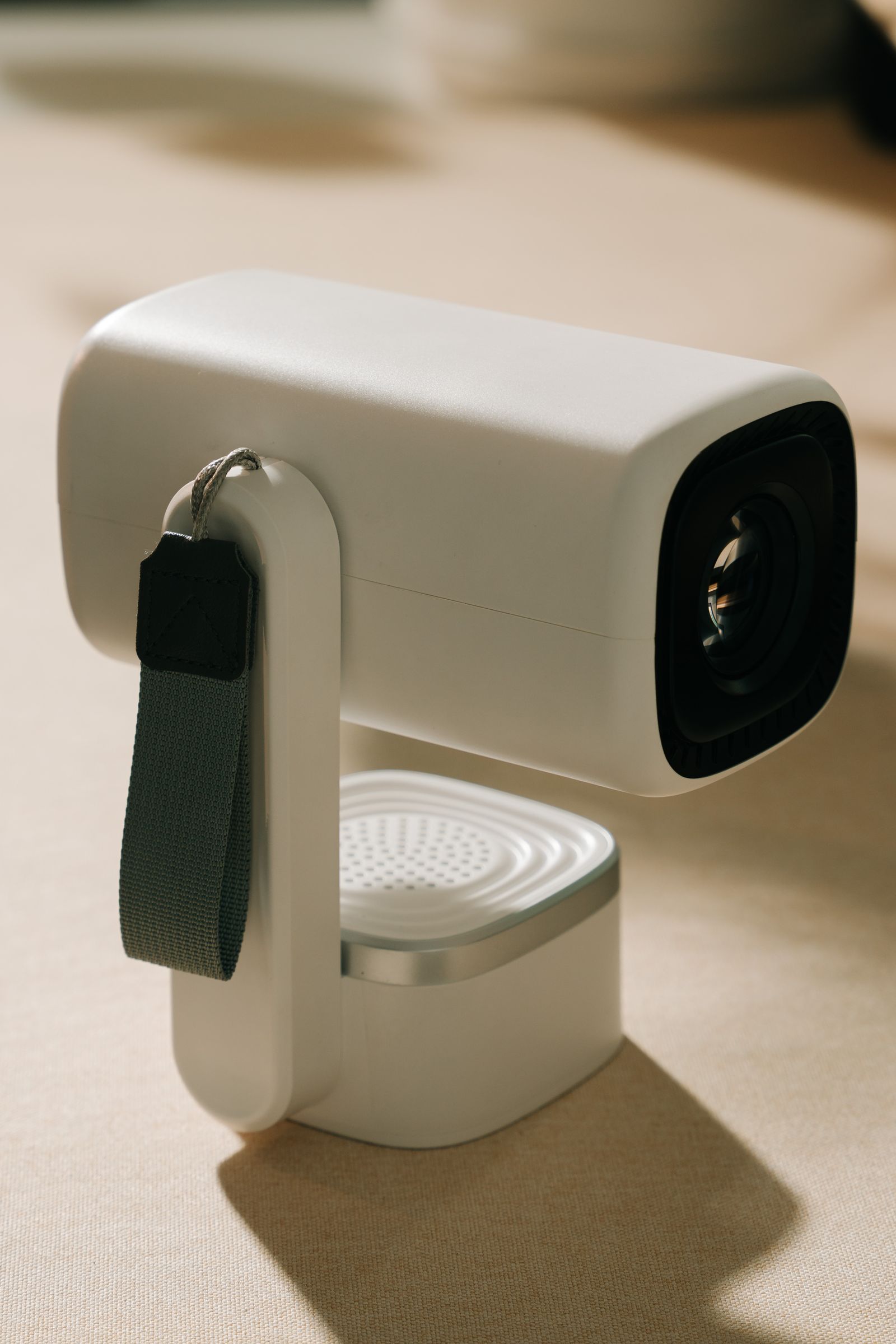
The AK700ST is the mid-tier projector pick for anyone building a permanent bay rather than a fold-away setup. At $2,899, it’s the only model in its price class with BenQ’s Auto Screen Fit, which reads the impact screen and corrects the projected image to fill it automatically, no manual keystone dial-in needed.
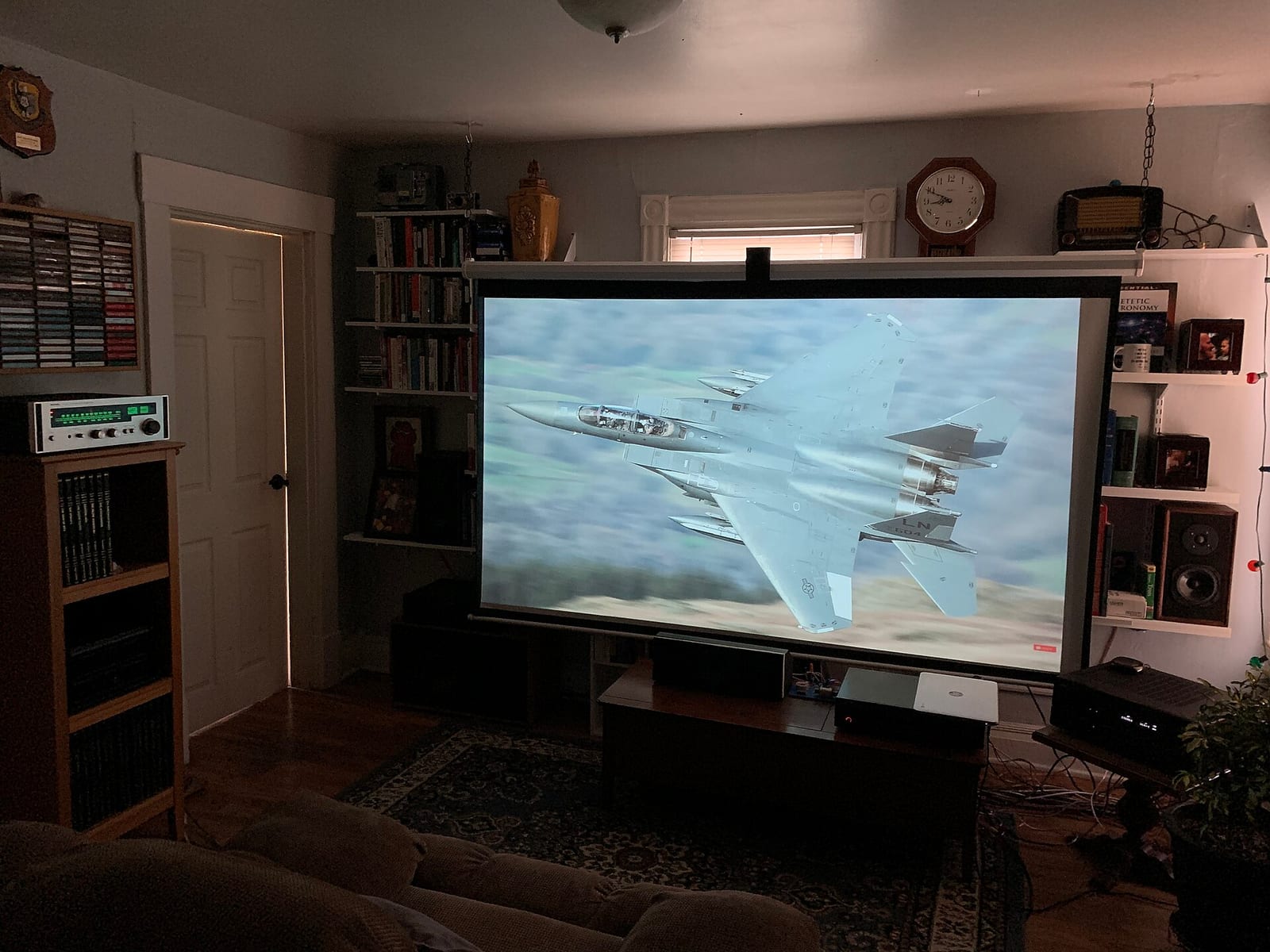
That’s a real time-saver during install and after any accidental mount bump, and BenQ pairs the feature with a dedicated Golf Mode calibration profile no other model in this class offers, tuned specifically to reproduce the natural greens and fairway colors of real course footage rather than a generic cinema color profile.
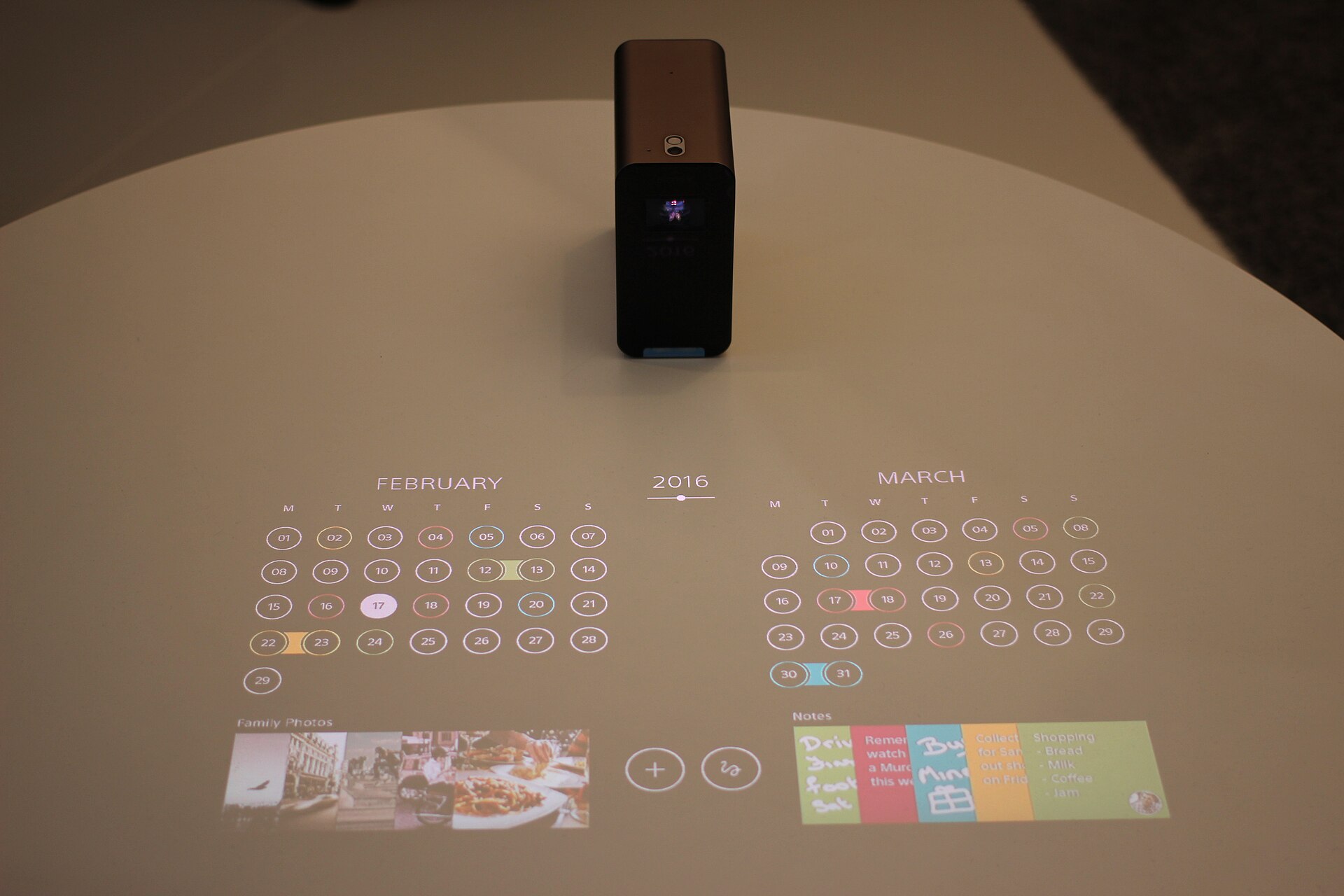
The full spec sheet
BenQ’s own numbers: 4,000 ANSI lumens, native 4K UHD resolution at 3840x2160, a 3,000,000:1 contrast ratio, and a laser light source rated for 20,000 hours, roughly 18 years at three to four hours a day before brightness falls off. Throw ratio runs 0.69 to 0.83:1 with a 1.2x motorized zoom, which is the detail worth comparing directly against the Optoma GT2100HDR covered elsewhere in this guide. The GT2100HDR’s fixed 0.496:1 lens sits closer to the screen for a given image size, but it’s fixed, there’s no zoom ring, no flexibility once it’s mounted. The AK700ST needs 30 to 50 percent more throw distance for the same screen size, but the motorized zoom gives an installer a real mounting-distance range to work with rather than one exact number, which matters if the bay’s ceiling joists or ductwork don’t line up perfectly with a fixed-lens projector’s one legal mounting spot.
Connectivity covers what a sim PC actually needs: two HDMI 2.0b inputs, two USB-A ports, and a USB-C port that carries DisplayPort, plus a 10W speaker with 7.1-channel eARC passthrough if the bay’s audio runs through an AV receiver. Keystone correction goes to plus-or-minus 30 degrees on vertical, horizontal, and rotation, well past what Auto Screen Fit alone would need to correct for a slightly off-axis mount. The unit itself is compact for a 4K laser projector, about 12 by 4.4 by 9.2 inches and 7.5 pounds, drawing 212W typical at 110V.
IP5X-sealed optics matter more than they sound: garage bays kick up dust from mat wear and net impact, and sealed optics protect the projector’s internals from that environment over a multi-year ownership horizon. BenQ rates the sealed laser engine for reliable operation from 32 to 104 degrees Fahrenheit, which covers an unconditioned garage through most of the year in the majority of US climates, and eliminates the filter cleaning and periodic bulb swaps that older lamp-based golf projectors needed.
Input lag, and the one honest tradeoff
Input lag scales with resolution and refresh rate on this unit, and it’s worth knowing the actual numbers rather than a single marketing figure. At 1080p and 120Hz, BenQ rates it at 16.7 milliseconds; push to 1080p at 240Hz and it drops to 8.4 milliseconds, in the same range as the GT2100HDR’s 8.6ms. Run it at native 4K and 60Hz, the mode that actually shows off the panel’s resolution, and lag climbs to 33.4 milliseconds. That’s the honest tradeoff for 4K on this projector: the lower-lag modes require stepping down to 1080p. In practice, most simulator software isn’t rendering fast enough motion for that gap to matter the way it would in a competitive first-person shooter, but anyone especially sensitive to display lag on the swing-to-screen feedback loop should know the 4K mode isn’t the fastest-responding one available on this unit.

4K laser output is the visual upgrade here. It doesn’t change launch-monitor data accuracy at all, but it materially improves course detail and immersion for anyone playing full simulated rounds rather than just hitting range balls at a screen.

Budget builds skip 4K without losing any real simulation capability. The AK700ST’s panel is a mid-to-premium call: pay for the visual experience once the fundamentals are already covered.
What it costs, and who should skip it
Street price sits right at $2,899 in most golf-sim specialty shops, matching BenQ’s own MSRP, though buying direct from BenQ or checking a general electronics retailer like B&H Photo has turned up listings closer to $2,499. That’s still more than double the GT2100HDR’s typical street price, and the honest case for spending the difference comes down to three things: native 4K resolution instead of 1080p, a motorized zoom lens instead of a fixed one, and Auto Screen Fit plus Golf Mode, features genuinely absent from the budget tier. None of those three change what a launch monitor measures or how accurately a shot tracks.
Anyone building a first bay on a tight budget, or anyone whose garage has the ceiling depth for a fixed-lens short throw and doesn’t need motorized zoom flexibility, gets the same simulation experience from the GT2100HDR at roughly half the cost. The AK700ST earns its price for permanent installs where the visual upgrade and one-time setup convenience of Auto Screen Fit are worth paying for once, rather than living with a slightly less sharp image forever.