Launch monitor · priced July 12, 2026
SkyTrak+ Cost: $1,995 Clearance or $2,995 MAX?
SkyTrak+ is being phased out for the ST MAX at $2,995, or $1,995 on Deal Days. Here's the real math on buying the outgoing model versus the new one.
- Photometric (camera-based) ball data, roughly 2in x 2in hitting zone
- Full swing + putting
- 107,000+ units sold historically (SkyTrak line)
- ST MAX adds GOLFTEC speed training, dual USB-C, faster processor over SkyTrak+
Via PlayBetter Partners. As an Amazon Associate and affiliate partner, CaddieBay earns from qualifying purchases.
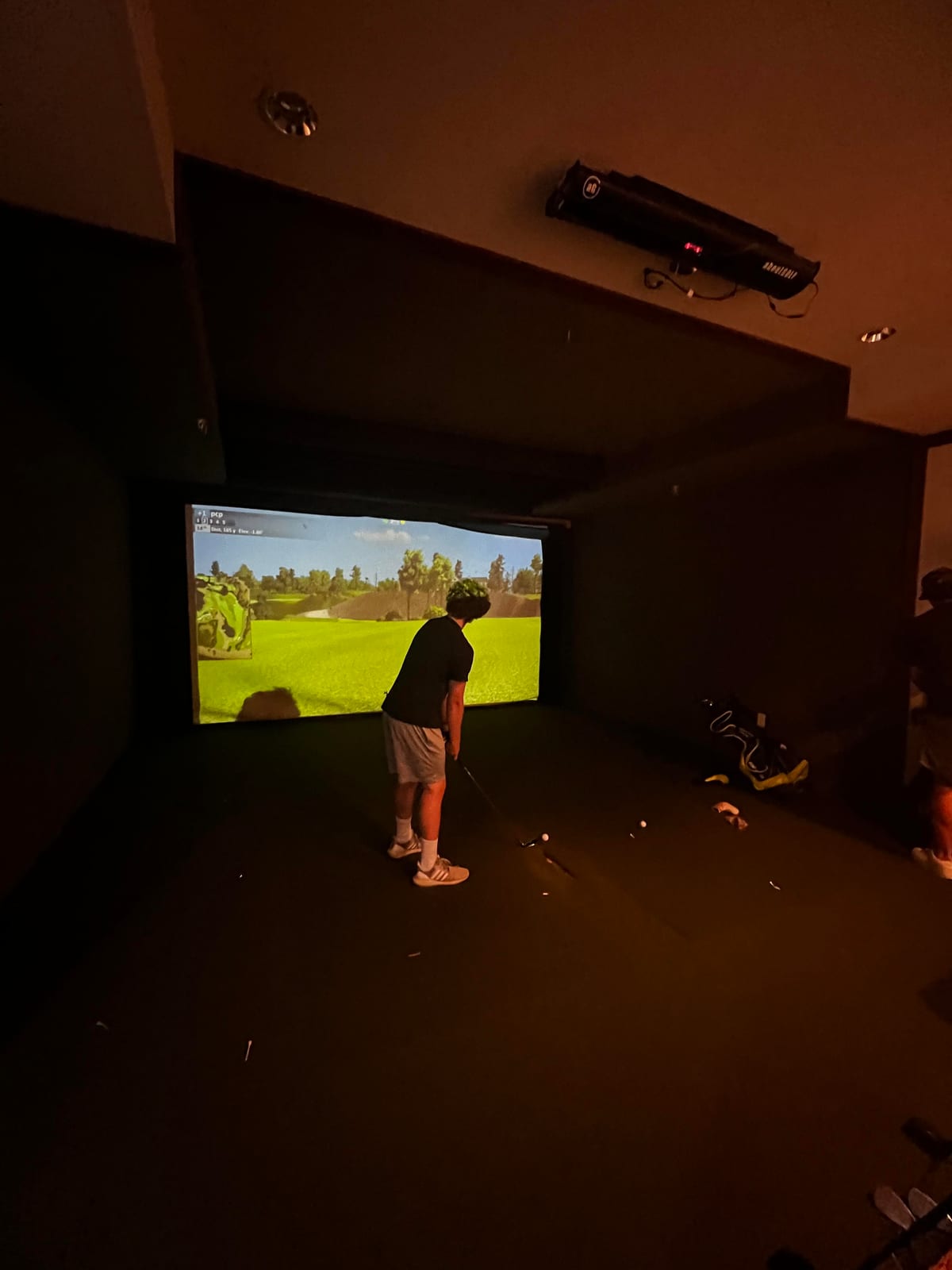
SkyTrak built its reputation on photometric measurement: high-speed cameras reading the ball’s launch conditions directly off a strobe-lit image, rather than inferring flight from radar return. It’s a different tradeoff than the Garmin R10’s approach, and it needs less room to work accurately indoors, which is why SkyTrak has been a default mid-tier pick for years.
The line is mid-transition as of mid-2026. The SkyTrak+ is discontinued and selling through remaining clearance inventory at $1,995, while the ST MAX has replaced it at $2,995 (also $1,995 during SkyTrak’s periodic Deal Days events). Read that carefully: the SkyTrak+ clearance price and the ST MAX’s own promotional price land at the same $1,995 number. When they do, there’s no real argument left for the outgoing model, buy the current one at the same price and get the support tail that comes with it, since firmware updates dry up first on a discontinued line. The SkyTrak+ only makes sense as a buy when its clearance price sits meaningfully below whatever the ST MAX is running that week.
What actually changed for ST MAX
The core tracking hardware, the photometric camera system and the sensor package, is identical between the SkyTrak+ and the ST MAX. Three things are genuinely new: a GOLFTEC-built speed training module baked into the SkyTrak app, walking you through swing-speed drills with real-time feedback from the launch monitor; dual USB-C ports, which fix a real annoyance on the SkyTrak+ where you had to choose between powering the unit and running a wired PC connection at the same time; and a faster onboard processor. None of that changes shot-tracking accuracy. If GOLFTEC’s drills and the dual-port convenience don’t matter to you, the SkyTrak+ was, and is, the same launch monitor at a lower price while it lasts.
Why photometric matters for a garage build
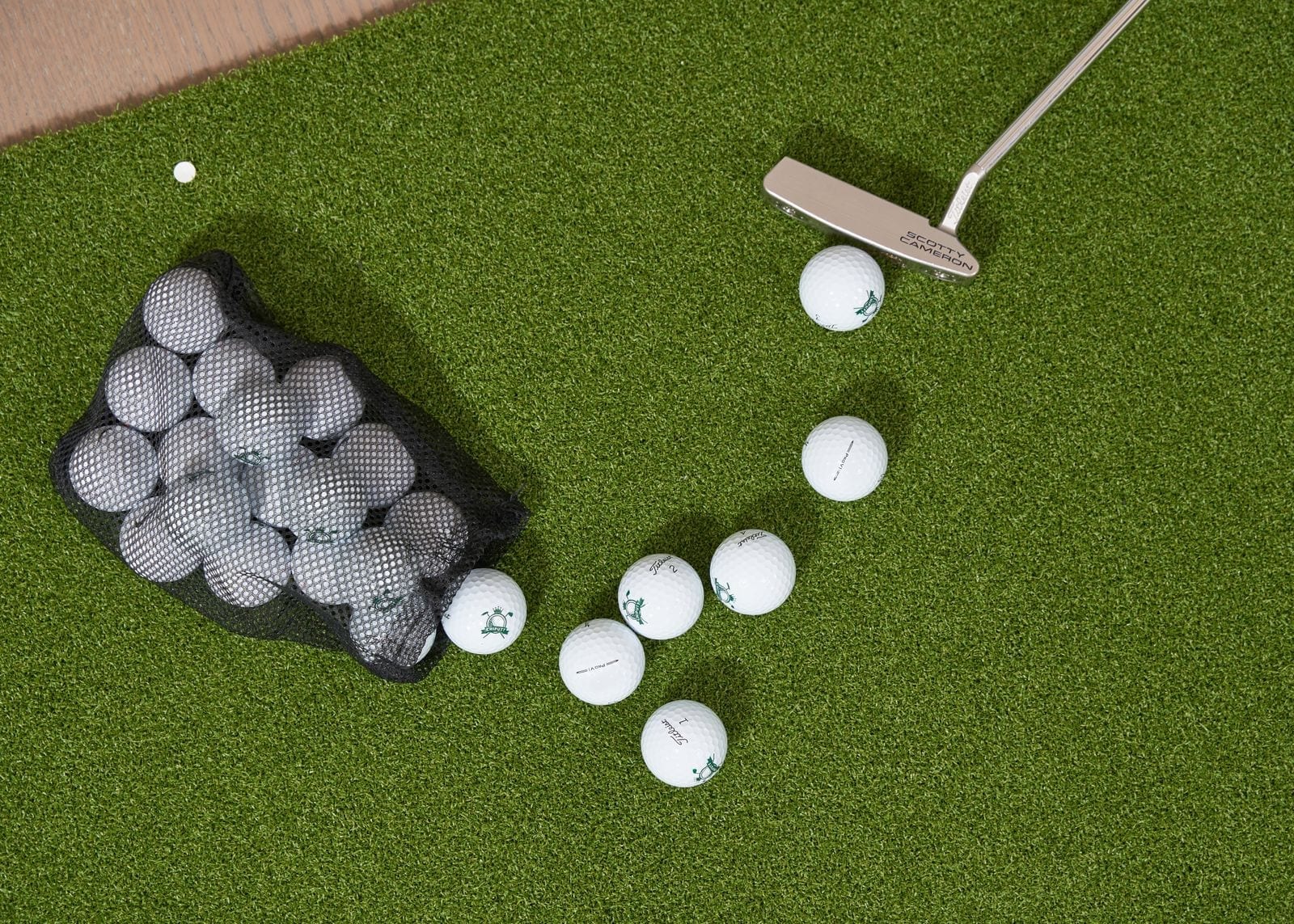
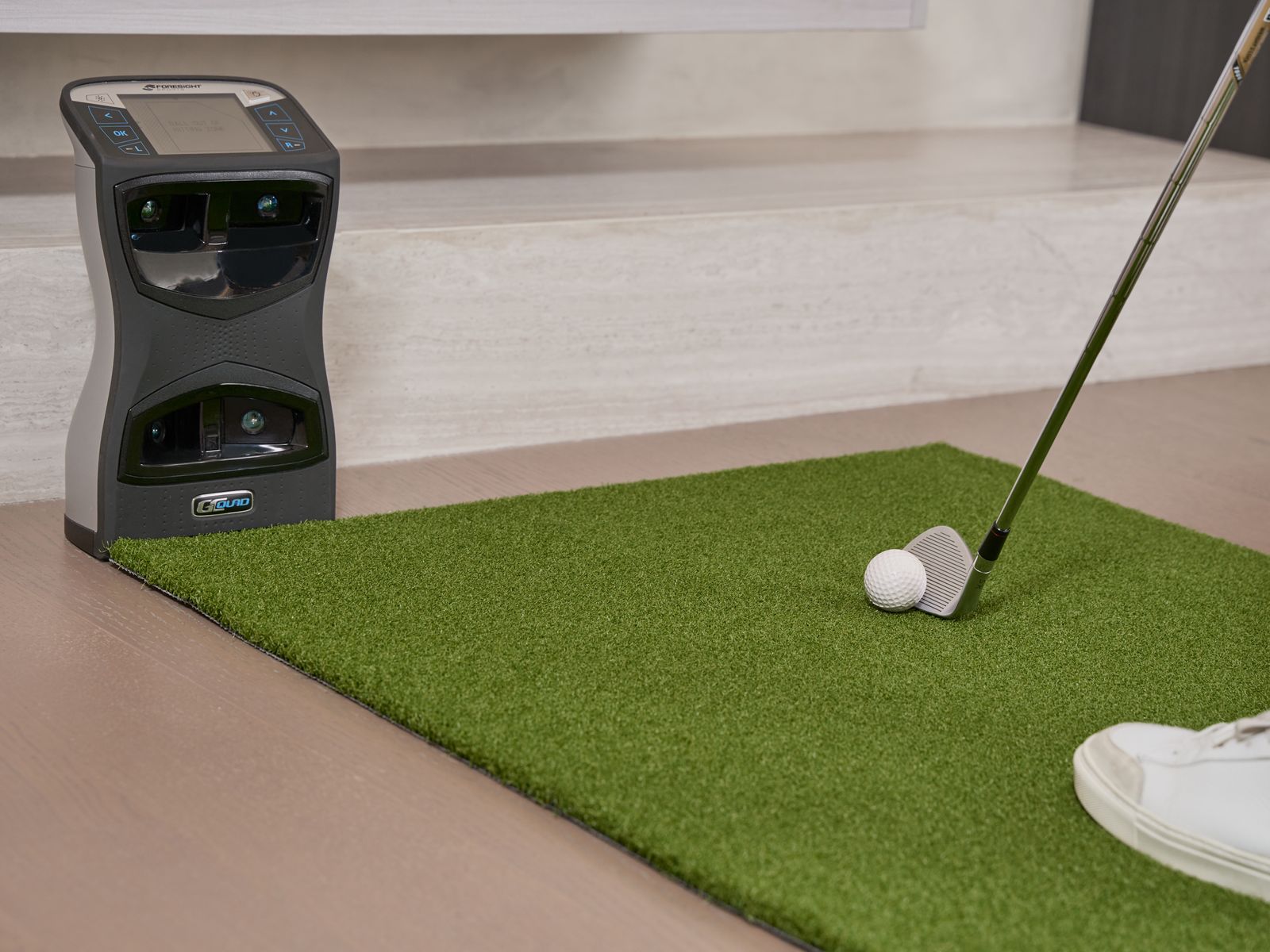
Camera-based systems need less flight distance than radar to return accurate spin and shot-shape numbers, which is the exact constraint a home bay has in spades. SkyTrak’s own spec sheet puts the working hitting zone at roughly 2in x 2in, tight enough that the unit sits close to the ball rather than needing the extra room behind or beside the tee a radar puck wants. That’s the core reason SkyTrak has held mid-tier market share against radar competitors at a similar price. The data set it returns per shot, carry and total distance, ball speed, back spin and side spin, descent and side angle, launch angle, and shot shape, covers what a home player actually needs to judge a swing change; it stops short of the full club-path and face-angle breakdown a Bushnell Launch Pro or Foresight GC3 adds at a higher price.
The subscription question
SkyTrak’s game bundles are typically sold with the hardware or as an add-on rather than a hard paywall on the core launch data, unlike the Rapsodo MLM2PRO’s membership model, where the unit still measures spin and spin axis but simply won’t display those numbers without an active $199.99/year (or $599.99 lifetime) subscription, and full course play in E6, Awesome Golf, or GSPro stays locked either way. The practical difference shows up the first time your card expires or you decide to skip a renewal: an MLM2PRO buyer keeps basic practice metrics but loses spin data and course access, where a SkyTrak owner keeps reading carry distance, ball speed, and spin regardless of what they do or don’t renew. Confirm current bundle inclusions at time of purchase since SkyTrak has changed packaging around the ST MAX launch, but the core posture, hardware you own outright versus data you rent access to, has stayed consistent across the SkyTrak line.
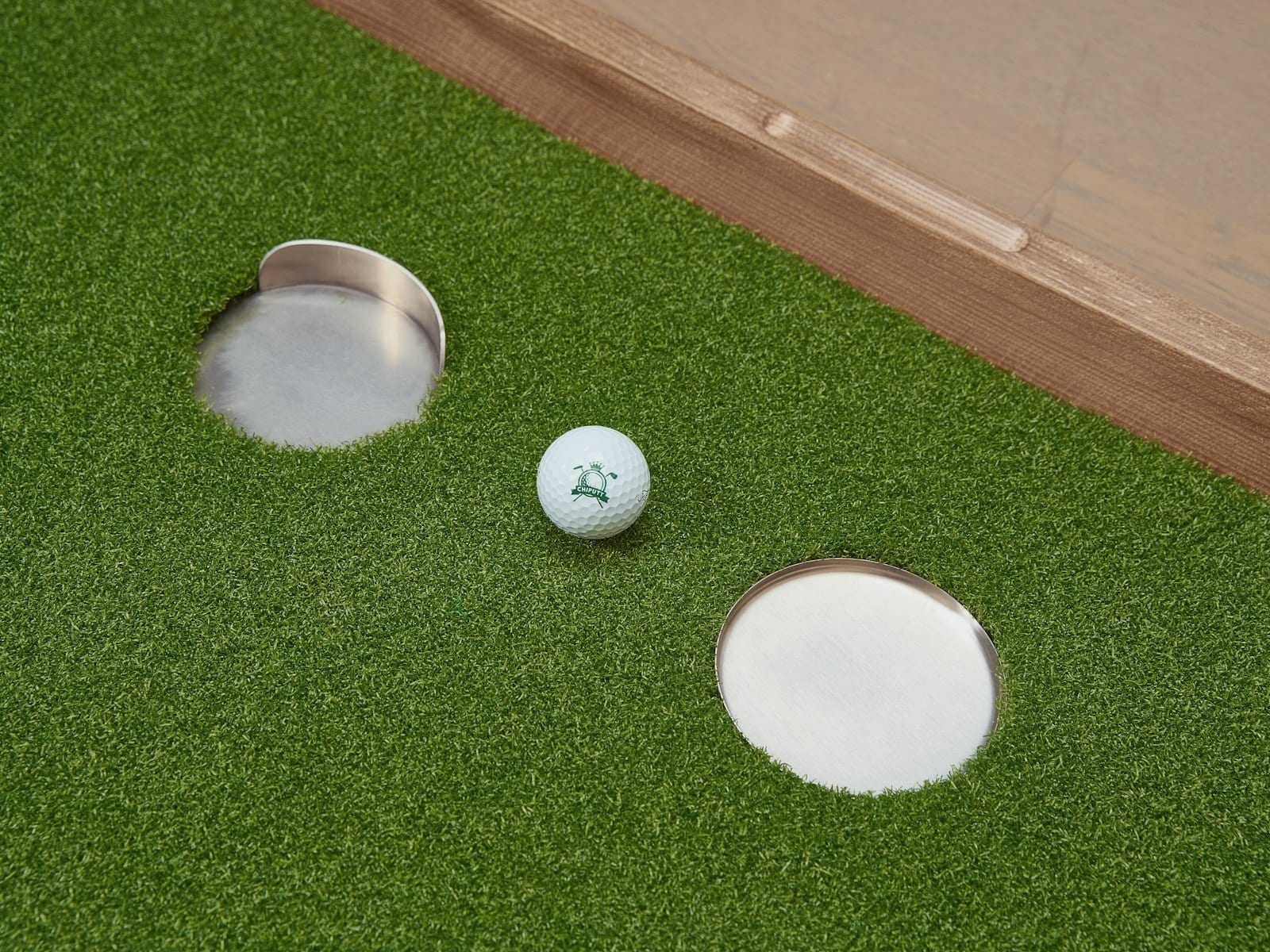
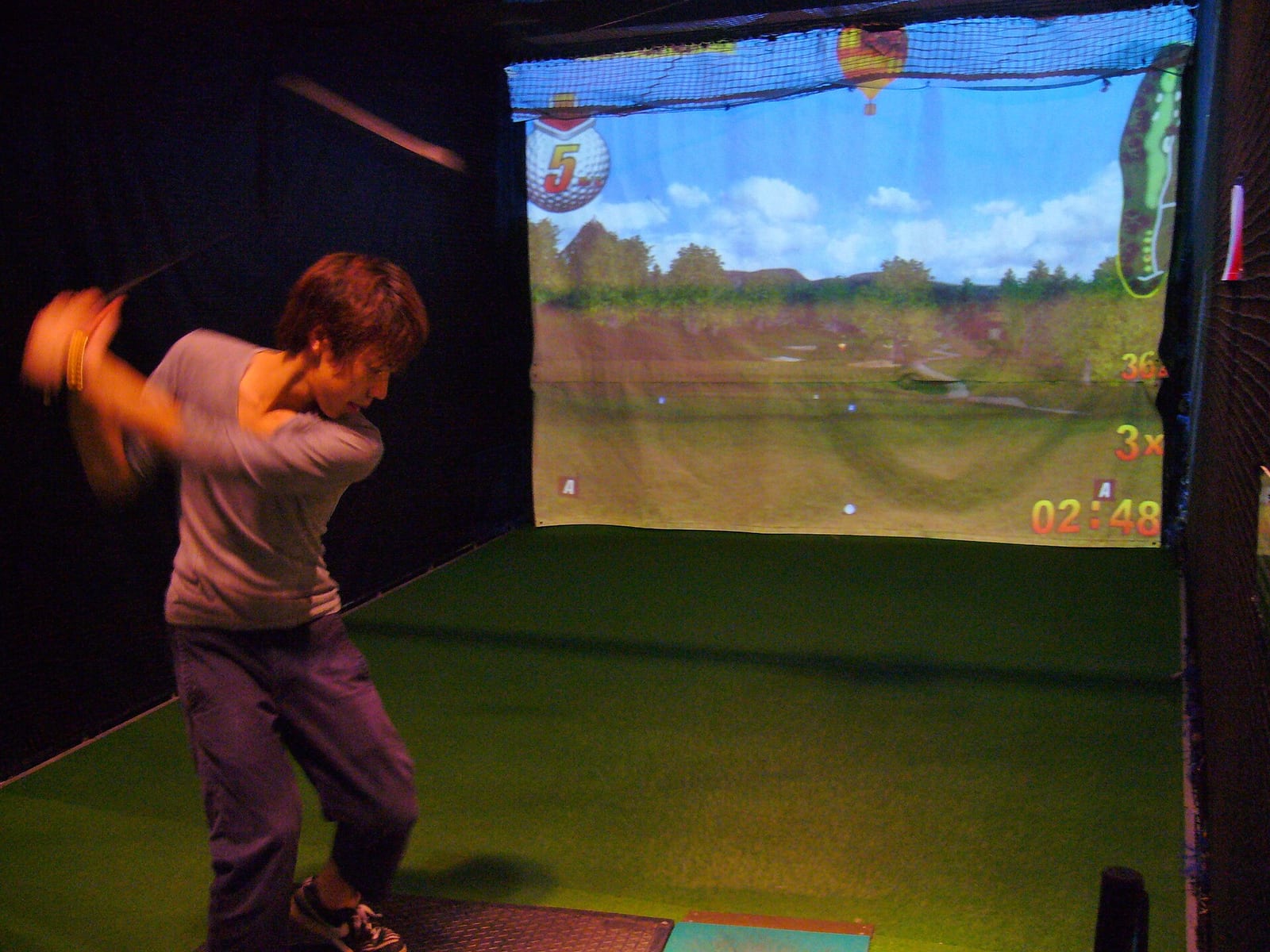
Photometric isn’t the only sensor approach worth knowing before you buy. A virtual driving range bay running the same short-distance-capture concept shows the tradeoff in practice: less room needed, less forgiving of a badly lit or cluttered garage corner.
As an Amazon Associate, CaddieBay earns from qualifying purchases.