Impact screen · priced July 2, 2026
Budget Golf Impact Screen Cost: $150-$300
Entry-level single-layer impact screens run $150-$300. Fine for casual use, the first thing to replace under daily impact.
- Single-layer polyester construction
- $150-$300 depending on size
- Adequate for light, occasional use
- Shorter lifespan under daily full-swing impact
Via Amazon. As an Amazon Associate and affiliate partner, CaddieBay earns from qualifying purchases.
The cheapest real entry point into a home bay’s screen line item. Single-layer polyester screens from GoSports, Cimarron Sports, and similar brands run $150 to $300 and do the job for casual, occasional hitting.
The two names that dominate this tier sell it slightly differently. GoSports offers replacement screens sized to its own enclosures, from a 79-by-80.5-inch panel for a 7-by-7-foot net up to 14-by-8-foot options for larger frames, reinforced polyester, bungee-cord attachment, priced from around $79.99 up past $199.99 depending on size. Cimarron sells its Impact Projection Screen as a standalone 100% commercial-grade polyester panel in 4-by-5-foot and 10-by-10-foot sizes, grommeted along the top and bottom corners for mounting to any frame, not just its own. Both brands make clear these are single-layer, single-purpose panels: GoSports’ screens are explicitly built to match its own enclosure hardware and aren’t universally compatible with other brands’ frames, worth checking before ordering a replacement.
The fabric itself is the whole story on a budget screen. Industry material specs put a genuinely durable golf impact fabric at 9 or more ounces per square yard and 500 denier or higher, thick and tight enough to shrug off 10,000-plus impacts at ball speeds over 150 mph without tearing. Budget single-layer screens generally sit under that bar, lighter denier, a single ply with no sound-dampening core behind it, which is exactly why they’re the cheapest option on the shelf and exactly why they’re the first thing that wears through. A tighter weave adds real life even at the same weight: independent testing has found a 200-threads-per-inch weave lasting roughly 25% longer than a 150 TPI weave of otherwise identical material, so two screens priced the same can still age very differently.
The tradeoff is lifespan, and it depends on how often you’re actually hitting. Light, occasional use, a few sessions a month, can stretch a single-layer screen to a couple of years. Daily full-swing driver shots wear through the fabric a lot faster: budget on replacing it within a year if that’s your usage. Factor that possible mid-build replacement into a strict-budget build rather than assuming this is a one-time cost.
What you’re actually giving up versus a premium screen
Three things separate a $200 single-layer screen from a $500-plus multi-layer premium one, and none of them is really about how sharp the picture looks on day one.
Sound. A multi-layer screen with a dedicated dampening core between the plies has measured roughly a 42% reduction in impact noise compared to an equivalent single-layer polyester screen in standardized acoustic testing. In a garage or basement with hard walls, that’s the difference between a bay you can use while someone’s asleep upstairs and one that announces every shot to the whole house.
Ball-mark visibility. Single-ply fabric shows chalk marks, scuffs, and the faint shadow of repeated impact in the same handful of spots sooner, since there’s no second layer to reset the surface tone behind it. It doesn’t affect tracking accuracy on a camera or radar unit, but it’s a visible, permanent record of every mis-hit that lands center-screen, and it shows up faster on a thinner single layer than a layered premium screen.
Longevity at full-swing speed. The gap above between “10,000-plus impacts” premium-grade fabric and a lighter single-layer budget screen is the real number behind “replace it within a year.” It isn’t that budget screens are poorly made, it’s that a single ply doing all the work at 150-plus mph ball speeds simply has less material to absorb the hit before something gives.
None of that makes the budget tier a bad choice. It makes it the right choice specifically for occasional use, a tight total budget, or a screen you expect to upgrade once the rest of the bay is dialed in.
Getting a clean picture
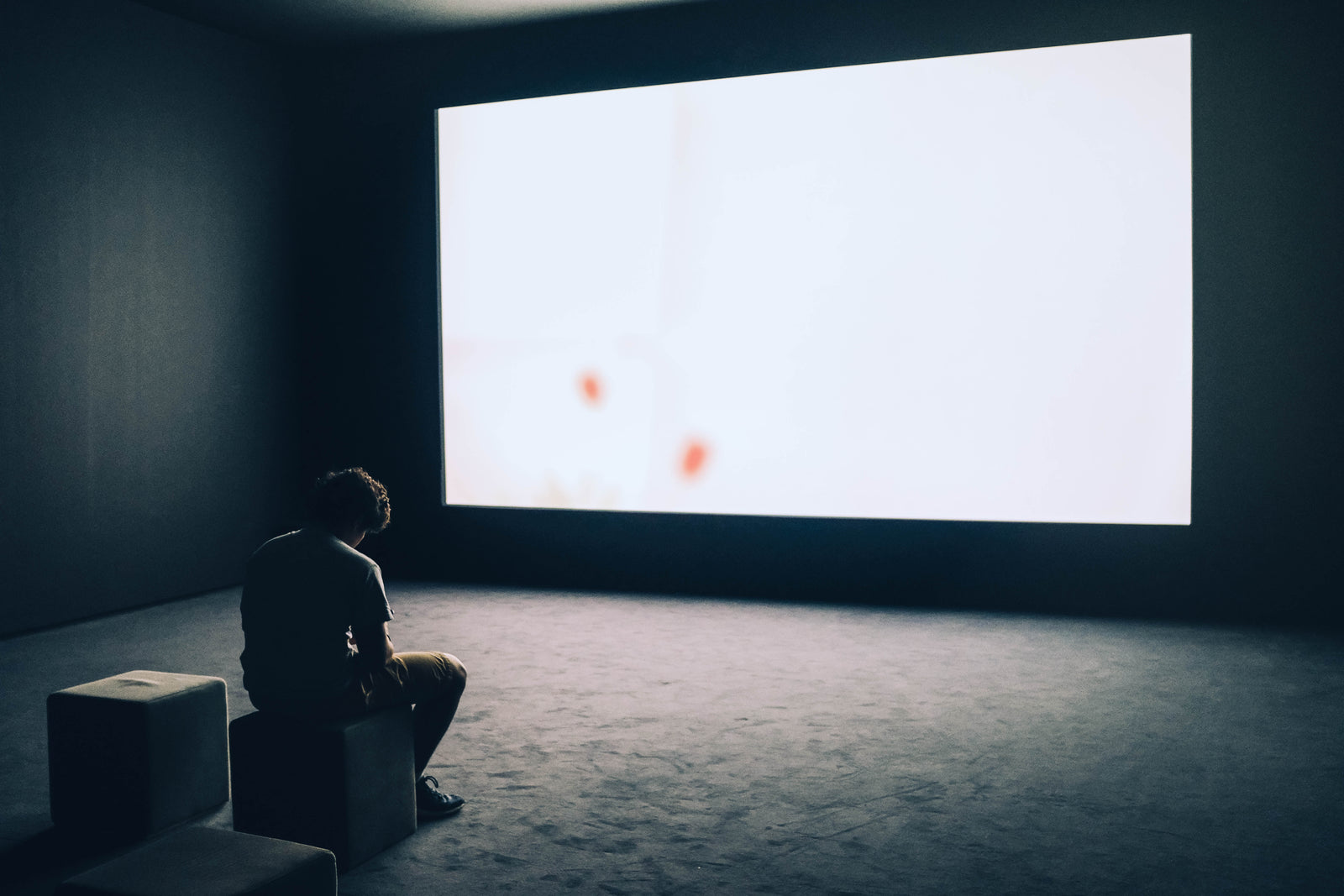
A taut, wrinkle-free surface matters almost as much as fabric grade for image quality. Sag or ripples scatter the projector’s light and blur the picture, which is why getting the mounting tension right is worth the extra effort even on the cheapest screen in the lineup. It’s also the cheapest fix available on a budget build: a well-tensioned $200 screen throws a noticeably sharper image than the same screen hung loose, no upgrade purchase required.
Budget screens rarely ship with mounting hardware built for a permanent bay. A bungee cord kit for impact screens keeps the fabric taut and squared to the frame, worth the $20-30 it adds to the line item.
As an Amazon Associate, CaddieBay earns from qualifying purchases.